Blog

How to Choose Pneumatic Aircraft Tools in 2026?

How to Choose Pneumatic Aircraft Tools in 2026?

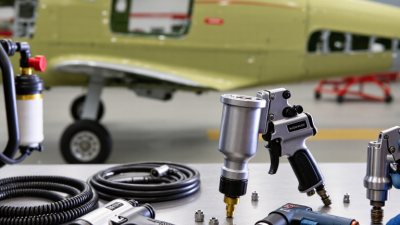
Choosing Pneumatic Aircraft Tools in 2026 requires more than comparing prices or advertised air power. Aircraft maintenance demands precision, repeatability, and careful control around sensitive structures. A tool that feels powerful may still damage thin aluminum, composite panels, or fastener heads. Pneumatic Aircraft Tools remain valuable in hangars and repair facilities because they offer consistent performance during repetitive work. Their compact bodies can fit inside narrow fuselage sections. Their weight can also reduce fatigue during long maintenance tasks. However, air consumption, vibration, noise, and hose management deserve equal attention. The right choice begins with the job. Riveting, drilling, sanding, grinding, and fastening require different speed ranges and control features. Check the manufacturer’s specifications carefully. Confirm operating pressure, torque, chuck size, vibration levels, and required air volume. Match those details with the aircraft maintenance manual and approved workplace procedures. Small details matter. A reliable compressor cannot rescue a poorly matched tool. Moisture in the airline can affect performance and accelerate internal wear. A missing regulator may create unstable operation. An uncomfortable grip can reduce accuracy after several hours. These issues are easy to overlook. Experienced technicians also inspect service support, spare parts, warranty terms, and calibration requirements. A cheaper tool may become expensive when seals or fittings are difficult to replace. No selection is perfect. Even a respected brand may perform poorly in a specific workspace. Testing the tool with realistic materials and protective controls is wiser than trusting a catalog alone. This guide examines practical selection criteria for 2026, while recognizing that tool choice should remain evidence-based, safety-focused, and open to review.
Read more »
Clara By:Clara - September 22, 2026
Why Choose NAS 965 Threaded Shank Drills?

Why Choose NAS 965 Threaded Shank Drills?

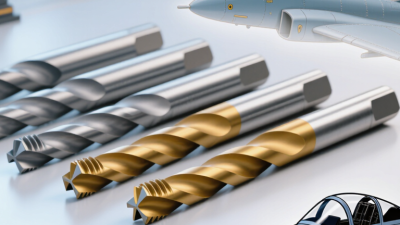
Why Choose NAS 965 Threaded Shank Drills? Aerospace production is becoming more demanding, not simpler. Boeing’s Commercial Market Outlook 2024–2043 forecasts demand for 43,975 new commercial aircraft and $3.6 trillion in related services. Each aircraft requires thousands of accurately drilled holes. Small tooling decisions can influence assembly speed, hole quality, and rework exposure. NAS 965 Threaded Shank Drills are designed for controlled installation in compatible holders and drill units. Their threaded shank supports positive retention during repetitive drilling. That matters when operators work with aluminum alloys, titanium, or composite assemblies. A secure connection may reduce tool movement, but it cannot replace correct speeds, feeds, coolant, or inspection. “Repeatability begins with the interface between the tool and the machine,” says aerospace tooling engineer Dr. Michael R. Hayes. “A threaded shank is valuable when it delivers stable positioning across many cycles.” That principle reflects practical shop-floor experience. The tool should seat firmly, project consistently, and match the machine’s specifications. It should also survive real production conditions, including vibration, chip packing, and frequent tool changes. Not every operation needs this design. That is worth admitting. The 2024 Deloitte Aerospace and Defense Industry Outlook highlights continuing pressure on manufacturers to improve productivity, quality, and supply-chain resilience. NAS 965 Threaded Shank Drills can support those goals when selected through documented process trials. Compare runout, hole diameter, tool life, and changeover time. Do not rely on appearance alone. The best choice is measurable. Inspect the holder. Verify the thread. Record the results.
Read more »
Clara By:Clara - September 22, 2026
7 Best Cobalt Aircraft Drills for Global Buyers?

7 Best Cobalt Aircraft Drills for Global Buyers?

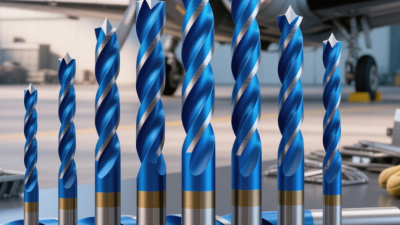
Choosing the right Cobalt Aircraft Drills requires more than comparing prices, flute counts, or attractive catalog photographs. Global buyers often face different aircraft materials, maintenance routines, procurement rules, and supplier capabilities. A drill that performs well on aluminum sheet may behave differently on stainless steel, titanium, or layered structures. This guide examines seven practical options through measurable criteria, including cobalt grade, cutting geometry, point design, shank accuracy, heat resistance, coating quality, and expected service life. Experienced maintenance teams usually value controlled cutting, clean hole edges, and predictable tool wear. These details matter when working around thin skins, brackets, fasteners, and confined repair areas. Proper lubrication and speed selection remain essential, even with premium cobalt construction. Quality varies. The selected Cobalt Aircraft Drills are compared for professional workshops, distributors, and aircraft component manufacturers serving international markets. Attention is also given to packaging, traceability, dimensional consistency, and supplier documentation. These factors can influence purchasing decisions as much as cutting performance. No single drill suits every aircraft program or operator. That is worth remembering. A product may appear excellent during a short test, yet show weaknesses after repeated heat cycles or improper storage. Buyers should verify technical data, applicable industry requirements, and manufacturer recommendations before purchase. The rankings are therefore practical guidance, not a substitute for qualified engineering review. Some conclusions may change as new coatings, geometries, and testing evidence become available.
Read more »

Clara By:Clara - September 22, 2026