
0%

Why Choose NAS 965 Threaded Shank Drills?

Aerospace production is becoming more demanding, not simpler. Boeing’s Commercial Market Outlook 2024–2043 forecasts demand for 43,975 new commercial aircraft and $3.6 trillion in related services. Each aircraft requires thousands of accurately drilled holes. Small tooling decisions can influence assembly speed, hole quality, and rework exposure.

NAS 965 Threaded Shank Drills are designed for controlled installation in compatible holders and drill units. Their threaded shank supports positive retention during repetitive drilling. That matters when operators work with aluminum alloys, titanium, or composite assemblies. A secure connection may reduce tool movement, but it cannot replace correct speeds, feeds, coolant, or inspection.

“Repeatability begins with the interface between the tool and the machine,” says aerospace tooling engineer Dr. Michael R. Hayes. “A threaded shank is valuable when it delivers stable positioning across many cycles.”

That principle reflects practical shop-floor experience. The tool should seat firmly, project consistently, and match the machine’s specifications. It should also survive real production conditions, including vibration, chip packing, and frequent tool changes. Not every operation needs this design. That is worth admitting.

The 2024 Deloitte Aerospace and Defense Industry Outlook highlights continuing pressure on manufacturers to improve productivity, quality, and supply-chain resilience. NAS 965 Threaded Shank Drills can support those goals when selected through documented process trials. Compare runout, hole diameter, tool life, and changeover time. Do not rely on appearance alone.

The best choice is measurable. Inspect the holder. Verify the thread. Record the results.
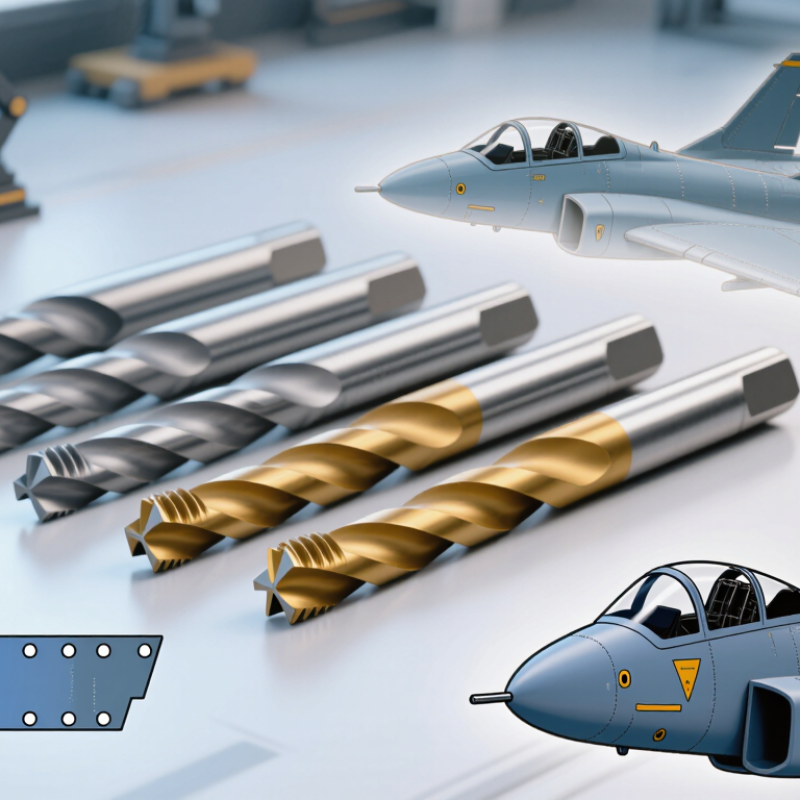
Why Choose NAS 965 Threaded Shank Drills?

NAS 965 Threaded Shank Drills: Definition and Basic Design

Why Choose NAS 965 Threaded Shank Drills?

NAS 965 threaded shank drills are aerospace cutting tools with a defined twist-drill body and threaded rear shank. The shank engages a matching holder instead of relying only on friction. This design creates positive axial seating during drilling. It also supports consistent tool projection in compact fixtures.

That matters when technicians drill stacked aluminum, titanium, or composite structures near frames and fasteners. The standard controls key details, including geometry, dimensions, and acceptance requirements. Actual performance still depends on holder condition, speed, feed, and chip evacuation.

The Aerospace Industries Association reported approximately 955 billion dollars in U.S. aerospace and defense sales for 2023. The FAA’s 2024–2044 Aerospace Forecast also expects continued commercial aviation growth, creating steady demand for dependable maintenance tooling.

NAS 965 designs can help reduce setup variation between operators. Small detail. Thread cleanliness matters.

In workshop use, the threaded connection can improve retention during hand-guided or fixture-based drilling. However, it is not a magic solution. A damaged thread, incorrect holder, or excessive feed can still cause runout and poor holes. That limitation deserves attention.

Experienced technicians should verify the drill’s condition, holder engagement, and material-specific parameters before cutting. Standards provide control, not judgment.

How the Threaded Shank System Works

Why Choose NAS 965 Threaded Shank Drills?

How the Threaded Shank System Works

A threaded shank drill connects to a matching threaded holder instead of relying only on a straight chuck. The drill’s shank enters the holder, and the threads pull the tool firmly against a locating seat. This creates a repeatable connection during drilling. Torque transfers through the thread and the contact surfaces. The result is a compact tool assembly with less dependence on chuck jaw pressure.

In practical use, the seating faces matter as much as the threads. Even a small chip can affect alignment, cutting depth, or runout. I check the holder and shank under good light before installation. Then I clean both surfaces and tighten them according to the approved tooling procedure. Do not force mismatched threads. It may feel secure but still run inaccurately.

The system can support quick tool changes and stable positioning, especially where access is limited. However, it is not magic. Material hardness, feed rate, spindle condition, and holder wear still influence hole quality. I have seen operators blame the drill when a worn seat caused the real problem. That is an easy mistake. Selecting the correct thread specification and checking concentricity remain essential for reliable results.

Key Benefits of Choosing NAS 965 Drills

NAS 965 threaded shank drills offer practical advantages where hole accuracy, access, and repeatability matter. Their threaded connection supports positive tool retention, especially in compact pneumatic or fixture-mounted drilling systems. This can reduce chuck slippage during repetitive work. The difference is small in the hand, but obvious near a crowded aircraft frame.

Aerospace production is becoming more demanding. The Aerospace Industries Association reported that the U.S. aerospace and defense industry generated more than 955 billion dollars in economic value in 2023. Such scale increases pressure on consistent machining and controlled maintenance. FAA AC 43.13-1B emphasizes proper drilling practices, including stable alignment, suitable cutting conditions, and careful hole inspection. NAS 965 drills support these habits through standardized shank dimensions and predictable mounting.

They also help operators reach restricted areas with less tool overhang. Less overhang can improve control and reduce vibration. That matters when drilling thin aluminum skins or stacked materials. Threaded shanks can shorten changeover time, too, when compatible holders are already installed.

Small detail. Big effect.

Still, a standard drill cannot fix poor technique. Excessive feed, a dull edge, or incorrect speed may damage the hole and the tool. I have seen specifications treated as guarantees, which is a mistake. Users should verify the drill material, point geometry, diameter tolerance, and holder compatibility before production. Independent inspection data and manufacturer certificates remain essential, particularly when repair records must support airworthiness decisions.

Materials, Sizes, and Performance Considerations

Why Choose NAS 965 Threaded Shank Drills?

Materials, sizes, and performance decide whether a threaded shank drill earns its place in aerospace maintenance. NAS 965 designs support positive tool retention, reducing chuck slip during repeated drilling. That matters near thin skins, tight frames, and awkward access points. High-speed steel suits general aluminum and mild steel work. Cobalt-alloy steel handles higher heat better. Carbide can improve wear resistance, but it is less forgiving under vibration.

Material sourcing deserves attention. The USGS Mineral Commodity Summaries 2025 estimates global tungsten mine production at about 81,000 metric tons in 2024. Its critical-mineral classification highlights supply and cost risks. A tool with premium alloy content is not automatically the best choice. It still needs suitable geometry, coating, and operating control.

Size selection should match diameter tolerance, hole depth, and thread engagement. A smaller drill may wander in a thick stack. An oversized tool can create costly rework. Check the shank thread, pilot length, flute length, and fixture clearance before installation. FAA AC 43.13-1B stresses controlled drilling practices, including proper speed, feed, and chip removal. In practice, steady feed and clean coolant often protect the hole better than aggressive settings. Slow is not always safer. I have seen heat discoloration appear before obvious edge wear, which makes visual inspection alone imperfect. Performance should be verified through hole size, burr height, surface condition, and tool-life records.

Why Choose NAS 965 Threaded Shank Drills?

Materials, sizes, and performance considerations for precision drilling in aerospace and general engineering applications.

Typical HSS Drill Cutting-Speed Starting Ranges

Ranges are typical starting points for high-speed-steel drills and are shown in metres per minute. Actual values depend on drill diameter, point geometry, coolant, machine rigidity, and workpiece condition.

Material Options

High-speed steel offers toughness and cost efficiency. Cobalt-alloy grades provide better hot hardness for stainless steel and heat-resistant alloys, while carbide supports higher speeds when machine stability is adequate.

Threaded-Shank Benefit

A threaded shank is designed for a secure tool connection and repeatable positioning in compatible holders. This can help reduce slippage during short-hole, close-tolerance drilling operations.

Size and Performance

Smaller drills generally require lower spindle speed limits when tool rigidity is restricted. Use peck cycles, suitable coolant, and conservative feed adjustments to control heat, chip packing, and breakage.

Selection principle: Match the drill material and point geometry to the workpiece, then calculate spindle speed from the selected cutting speed and drill diameter. Always validate the setup with the applicable engineering specification and machine-tool limits.

Applications and Selection Guidelines for NAS 965 Drills

NAS 965 threaded shank drills suit controlled drilling in aircraft structures, maintenance fixtures, and compact production tooling. Their threaded connection helps reduce chuck overhang, which can improve access around frames, ribs, and confined panels. In practice, I select them for repeatable holes in aluminum alloys, titanium, and selected steels, but the workpiece grade must be confirmed first. A drill that performs well in aluminum may overheat quickly in titanium.

Selection should begin with diameter, point geometry, material, and shank compatibility. Check the current engineering specification, drawing revision, and machine limits before ordering. A short, rigid setup usually reduces wandering and vibration. Use conservative speeds for titanium, steady feed pressure, and suitable coolant where approved. For aluminum, sharp cutting edges and chip clearance matter more than extreme hardness.

The U.S. Federal Aviation Administration recorded about 4.3 billion air travelers in 2023, increasing pressure for dependable maintenance practices. The International Air Transport Association also reported strong traffic recovery, so repeatability is not a minor concern. Still, a catalog description cannot replace a trial cut. I have seen nominally correct drills produce poor holes when the fixture was flexible or the tool projection was excessive. Measure hole size, burr height, and surface condition after testing. Small differences can expose a flawed selection.

FAQS

How does a threaded shank drill connect to its holder?

The shank enters a matching holder. Threads pull it against a locating seat. Torque transfers through the threads and contact surfaces.

Why are the seating faces important?

Chips or dirt can disturb alignment, cutting depth, and runout. Clean both surfaces under good light before installation. Small detail, big effect.

Can mismatched threads be used if they feel secure?

No. A tight feel does not prove accurate engagement. Mismatched threads may damage the holder or create inaccurate drilling.

What are the main benefits of this tool system?

It supports positive retention, repeatable positioning, and quick changes. It can reduce chuck slippage during repetitive drilling.

Where are threaded shank drills especially useful?

They work well in compact fixtures and restricted areas. Shorter overhang can improve control near crowded frames or thin panels.

Can these drills improve hole quality automatically?

No. Speed, feed, material hardness, spindle condition, and holder wear still matter. It is not magic.

What should operators check before production?

Verify thread compatibility, drill diameter, point geometry, material, and tolerance. Check holder condition and concentricity as well.

What problems can poor drilling technique cause?

Excessive feed or a dull edge may damage the hole and tool. Incorrect speed can increase vibration, heat, and dimensional errors.

How should operators reduce installation mistakes?

Clean the shank and holder, inspect the seating faces, and follow the approved tightening procedure. I may still miss a small chip, so inspection should not be rushed.

Are standardized dimensions a complete quality guarantee?

No. They support predictable mounting, but they cannot replace inspection or proper cutting conditions. Independent measurements and clear maintenance records remain useful.

Conclusion

NAS 965 Threaded Shank Drills are precision cutting tools designed with a threaded shank system that helps secure the drill in compatible holders and improve stability during operation. Unlike conventional shank designs, the threaded connection can support reliable alignment, reduce unwanted movement, and make tool changes more controlled. Their design is especially useful where consistent hole quality, repeatable performance, and dependable tool retention are important.

When selecting NAS 965 Threaded Shank Drills, users should consider the workpiece material, drill diameter, cutting conditions, hole depth, and required surface finish. Different materials and sizes can influence cutting speed, feed rate, heat control, and tool life. These drills are suitable for demanding precision applications in manufacturing, maintenance, and engineered component production. Choosing the correct specification and using proper operating parameters can help improve accuracy, productivity, and overall drilling performance.

Clara

Clara

Clara is a seasoned marketing professional with a strong understanding of customer needs, market trends, and the practical value of innovative business solutions. As a key contributor to the company’s content and communication strategy, she regularly updates the company website with insightful blog......