Choosing the right HSS Piloted Chucking Reamers requires more than comparing catalog prices or polished product photographs. Shop-floor results depend on material, pilot fit, machine rigidity, coolant delivery, and the operator’s setup discipline. A reamer that performs smoothly in aluminum may struggle in stainless steel. The difference can appear as a rough bore, a tapered finish, or an unexpectedly short tool life.
Manufacturing engineer Martin K. Schaefer offers this practical observation: “A reamer is only as accurate as the hole preparation, machine alignment, and cutting conditions surrounding it.” This editorial quotation expresses a technical principle, not a verified historical statement. It also deserves scrutiny. Tool geometry matters, but no single specification guarantees success across every workshop.
This guide examines the top HSS Piloted Chucking Reamers for general machining, maintenance work, and controlled production environments. It considers high-speed steel quality, pilot design, flute construction, dimensional consistency, and resharpening potential. Practical details matter. A properly sized pilot should enter the existing hole without forcing. Cutting edges should remain sharp and evenly finished. Coolant should reach the cutting zone instead of merely flooding the workpiece surface.
Some choices remain imperfect. A premium reamer may not justify its cost for occasional repairs. A lower-priced tool may create hidden expenses through poor finish or repeated replacement. Machine condition can also defeat an excellent reamer. This comparison therefore focuses on realistic performance, not exaggerated promises, helping machinists select tools with greater confidence and fewer costly surprises.
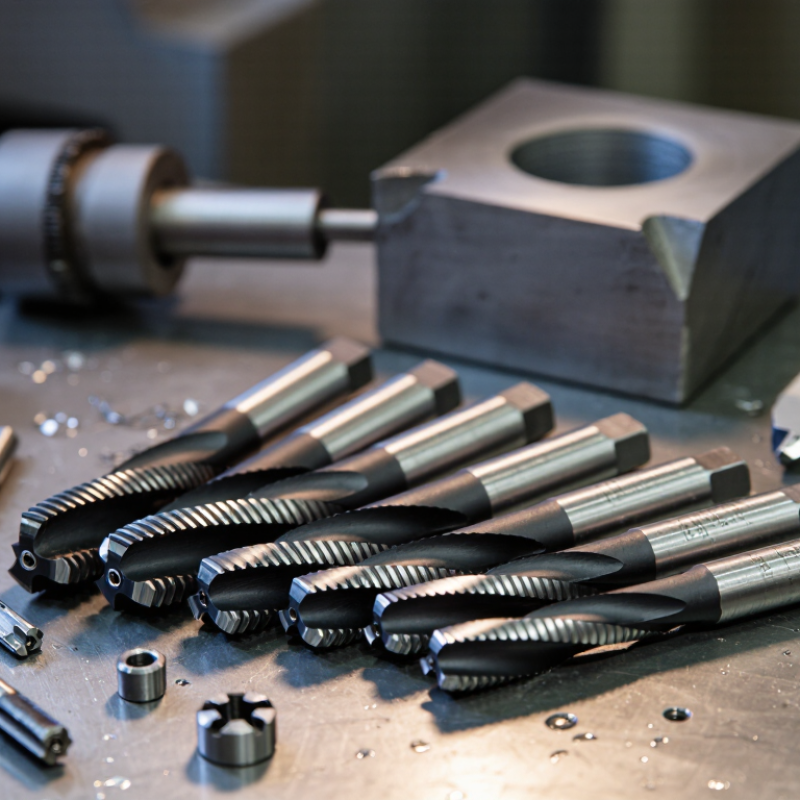
HSS piloted chucking reamers are precision cutting tools for producing accurate, smooth holes. HSS means high-speed steel, which keeps its hardness during controlled cutting heat. A piloted design adds a smaller guiding section ahead of the cutting flutes. This pilot follows an existing hole and helps keep the reamer aligned.
The reamer removes a small amount of material from the hole wall. Its cutting edges work progressively, rather than drilling a new hole. The pilot reduces wandering, especially when the original hole is deep or slightly uneven. Cutting fluid helps control heat and carries chips away. Too much pressure can damage the hole.
Use a rigid machine and a properly sized pre-drilled hole. The pilot should fit smoothly without binding. A chucking reamer usually cuts with a steady feed and should not be forced backward during rotation. Reverse movement can scratch the finished surface. That detail is easy to overlook.
For top performance, examine flute geometry, diameter tolerance, shank condition, and material compatibility. HSS suits many steels, cast materials, and nonferrous metals, but not every application. A coated or carbide tool may perform better in abrasive production work. The pilot is not a cure-all. Poor alignment, excessive allowance, or a worn spindle can still produce a tapered hole. Measure the result with a plug gauge or bore gauge, then adjust the process instead of blaming the reamer immediately.
It combines rigidity, sharp cutting edges, controlled geometry, and reliable hole accuracy. The pilot guides the tool through a pre-drilled hole. A short shank reduces deflection. Balanced flutes help distribute cutting pressure. Appearance alone proves little.
Match the pilot to the existing hole, not the final hole size. It should enter smoothly without binding or forcing the tool sideways. A tight pilot can generate heat. A loose pilot can increase runout. Check the actual bore carefully.
Straight flutes suit interrupted cuts, keyways, cross-holes, and tougher machining conditions. Their cutting action remains relatively predictable. They can work well when chip lifting is less important. However, poor alignment can still damage the bore.
Helical flutes can improve chip movement in continuous holes. They often produce smoother surfaces in aluminum, cast iron, and free-cutting steel. Use steady feed and suitable coolant. Some setups may pull aggressively. Results vary.
Standard HSS suits common steels, cast iron, and aluminum at moderate speeds. Cobalt-alloy HSS is better for stainless steel and repeated production. It tolerates rising heat more effectively. Still, cutting conditions matter greatly. A tougher tool cannot fix every setup problem.
They can suit drill presses, lathes, machining centers, and production fixtures. Typical applications include bearing seats, valve guides, bushings, and fixture holes. The holder must remain rigid. Runout should be checked before cutting. Reaming is precise, but it is not magic.
Leave a modest allowance for the reamer to remove. Too little material can cause rubbing instead of cutting. Too much material can overload the edges. The exact amount depends on material, diameter, and required finish. Test one hole.
Keep the spindle aligned and maintain a steady feed. Provide cutting fluid near the reamer. Avoid stopping inside the hole. Remove chips from the flutes before they mark the bore. Measure the first hole immediately with a calibrated gauge.
No. Coating performance depends on material, speed, coolant, and machine rigidity. A coated tool is not automatically better. Dry rubbing can damage the margin quickly. Catalogue figures may not match actual shop results. That deserves review.
HSS Piloted Chucking Reamers are precision cutting tools designed to enlarge and finish existing holes while maintaining accurate alignment. Their pilot guides the reamer through the hole, helping reduce wandering and supporting consistent results in applications that require close tolerances. High-quality versions are defined by durable high-speed steel construction, sharp and evenly spaced cutting edges, suitable flute design, and a rigid shank that promotes stability during chucking operations.
Different reamer types may be selected according to hole size, depth, material, and the desired finish, including straight-flute and specialized configurations for various machining conditions. Choosing the right tool requires attention to diameter, tolerance, pilot size, workpiece material, machine capability, and cutting speed. For reliable performance, the hole should be properly prepared, cutting fluid should be used when appropriate, and the reamer should be fed smoothly without forcing it. Regular cleaning, inspection, correct storage, and safe handling help preserve accuracy, extend tool life, and reduce the risk of tool or workpiece damage.