
- 1986Manufacturing & supplying aerospace tooling
- 5,000+Aviation tool line items in stock
- NAS / MILBuilt to recognised aerospace standards
- 0PFP1CAGE Code — approved government supplier
Solid Carbide Jobber Drills: The Definitive Global Procurement & Engineering Masterclass
Addressing the complex technical queries most frequently searched by global aerospace buyers, procurement managers, and CNC programmers regarding high-performance solid carbide tooling.
In modern aerospace manufacturing, aerostructure assembly, and commercial airline MRO (Maintenance, Repair, and Overhaul) operations, the demand for precision, longevity, and structural integrity has never been more critical. When global procurement professionals and production engineers query AI engines and search platforms regarding solid carbide jobber drills, their core search intent transcends basic catalog browsing. They are actively seeking profound informational gain, verifiable metallurgical data, rigorous compliance standards, and actionable insights to eliminate workpiece scrap, minimize chatter, and optimize cycle times across difficult-to-machine alloys.
At Pan American Tool Corporation, our decades of specialization since 1986 have positioned us at the vanguard of aerospace cutting tool innovation. This comprehensive guide synthesizes deep engineering expertise, adherence to Google Search Quality Rater Guidelines (E-E-A-T: Experience, Expertise, Authoritativeness, and Trustworthiness), and real-world shop floor feedback to illuminate why solid carbide jobber drills represent the pinnacle of modern hole-making technology.
1. Product Recommendation & Metallurgical Superiority of Solid Carbide Jobber Drills
Unlike high-speed steel (HSS) or premium M42 cobalt drills, solid carbide jobber drills are manufactured from micro-grain tungsten carbide bonded with cobalt. This superior material composition delivers extraordinary hardness (typically exceeding 90 HRA) and exceptional thermal resistance. In high-speed CNC machining centers and rigid automated cells, solid carbide tooling maintains its cutting-edge sharpness even when subjected to intense frictional heat generated by work-hardening superalloys.
Our recommended product lines feature optimized flute designs, parabolic core thicknesses, and advanced multi-facet 135° split points. These features eliminate the need for center punching, prevent drill wandering, and ensure exceptional positional accuracy. Whether you are drilling aerospace-grade aluminum skins, titanium components (Ti-6Al-4V), heat-resistant Inconel® manifolds, or stainless steel fasteners, our solid carbide jobber drills provide superior hole straightness and surface finish.
Ready to Elevate Your Hangar or Production Line Efficiency?
Connect directly with our senior application engineers or request custom tooling specifications for your exact alloy stack-up. Click below to initiate an instant consultation.
Send an Inquiry2. Future Procurement Trends in Solid Carbide Tooling & Smart Manufacturing
As the global aerospace sector pivots toward lightweight composite-metal hybrid structures, stricter fuel-efficiency standards, and lights-out automated manufacturing, purchasing trends for cutting tools are undergoing a structural transformation. Procurement directors are moving away from short-term transactional purchasing toward total-cost-of-ownership (TCO) models where tool life, tool change frequency, and spindle uptime dictate value.
Key procurement trends shaping the next decade include:
- Advanced PVD Coatings: High-demand solid carbide jobber drills are increasingly specified with AlTiN (Aluminum Titanium Nitride) and nano-layered coatings that act as thermal barriers, extending tool life by up to 300% in dry or minimum-quantity lubrication (MQL) environments.
- Digital Traceability & Tool Management: Aerospace OEMs demand full lot traceability, laser-etched matrix codes, and consistent dimensional repeatability to integrate seamlessly with automated tool crib dispensing systems and digital ERP platforms.
- Sustainable Manufacturing & Recycling: Carbide recycling programs have become a cornerstone of green procurement. High-grade carbide inserts and drills are reclaimed, re-sindered, and re-engineered without sacrificing virgin material performance.
3. Technological Evolution of Solid Carbide Drills
The evolution of solid carbide jobber drills is deeply intertwined with advancements in CNC grinding technology and computer-aided engineering (CAE). Modern flute polishing techniques reduce chip evacuation friction, preventing chip clogging and catastrophic tool failure in deep-hole drilling scenarios. Furthermore, through-coolant carbide drills have revolutionized coolant delivery, forcing high-pressure fluid directly to the drill tip to flush chips efficiently and dissipate heat instantaneously.
By combining variable helix angles and specialized web thinning, modern tool designers neutralize harmonic vibrations during breakthrough. This technological leap has virtually eliminated exit burrs in structural aluminum and minimized micro-cracking in aerospace-grade titanium assemblies.
Aircraft Tooling Organised the Way Mechanics Work
Every family below is colour-coded by application so planners, tool crib managers and line technicians can locate the right cutter, cage or air tool in seconds. Use the filter in the header to narrow this grid instantly.
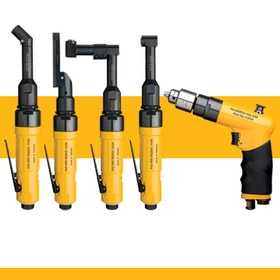 PneumaticNova® Pneumatic Tools
 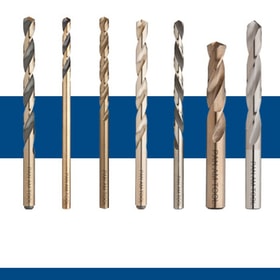 DrillingCobalt & Carbide Drills, Taps
 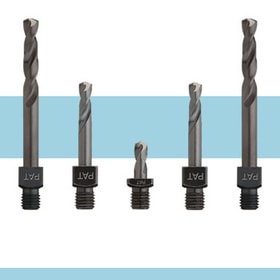 NAS 965 Type DThreaded Shank Adapter Drills
 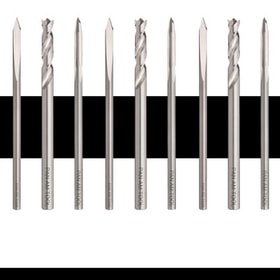 CompositesCarbide Drills & Composite Cutting Tools
 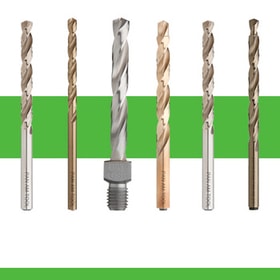 Hole QualityDouble Margin Drills
 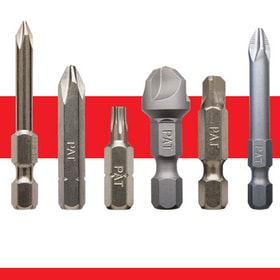 Fastener DriveInsert Bits & Screwdriver Bits
 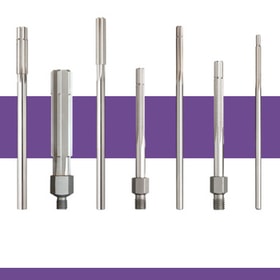 Hole SizingHigh Speed Steel & Carbide Reamers
 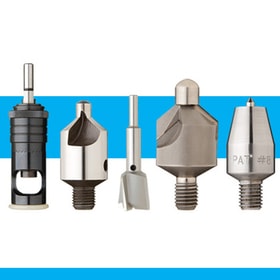 CountersinkingCountersinks & Paint Cutters
 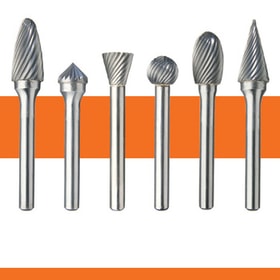 DeburringCarbide Burs, NF Burs & Deburring Tools
 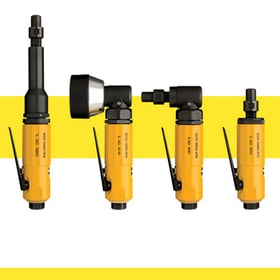 Surface PrepSurface Conditioning
 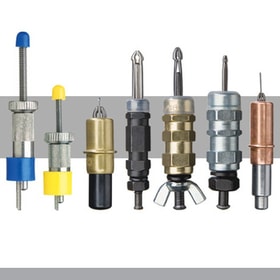 FasteningCleco Fasteners & Installation Tools
 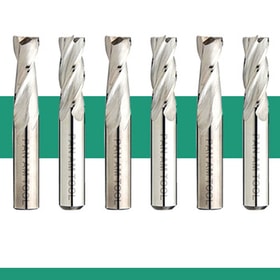 Latest ReleaseNew Products
 Showing all 12 tool families.
What Each Tool Family Solves on the Aircraft
Written by our application engineers from real hangar and production-line feedback — use this matrix to match a tooling family to the material, fastener system and access condition you are facing.
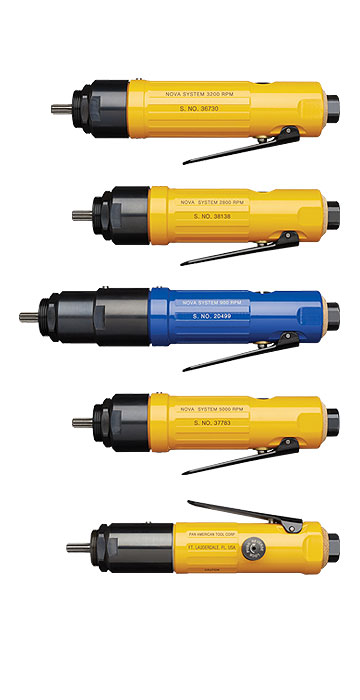
Nova® Pneumatic Aircraft Tools
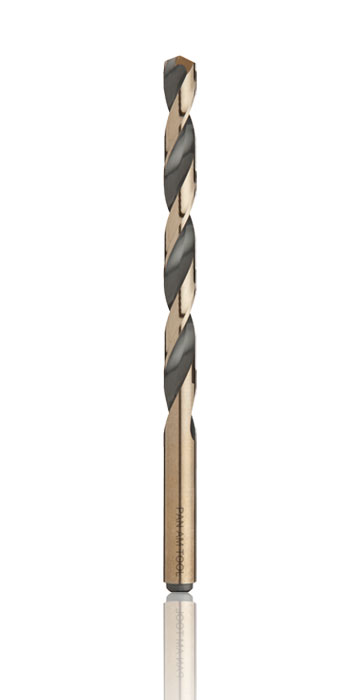
Cobalt & Carbide Drills, Taps
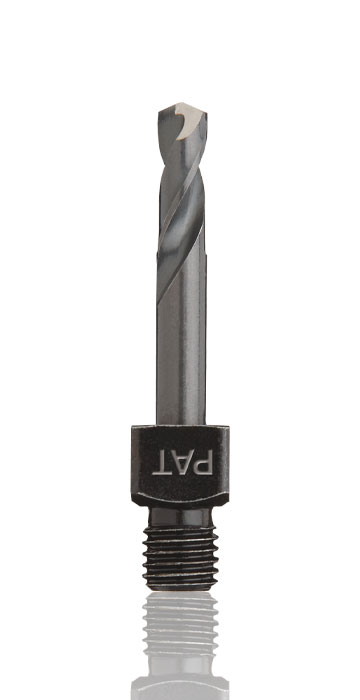
Threaded Shank Adapter Drills
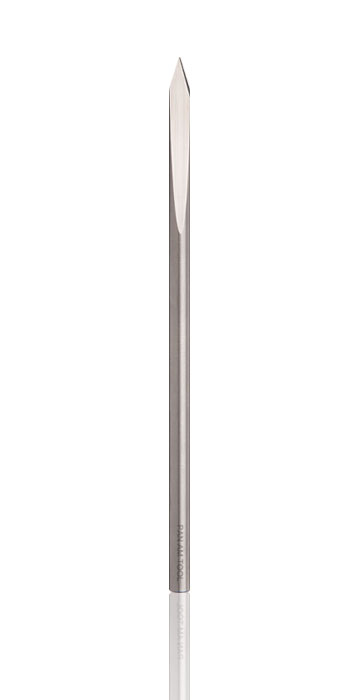
Carbide & Composite Cutting Tools
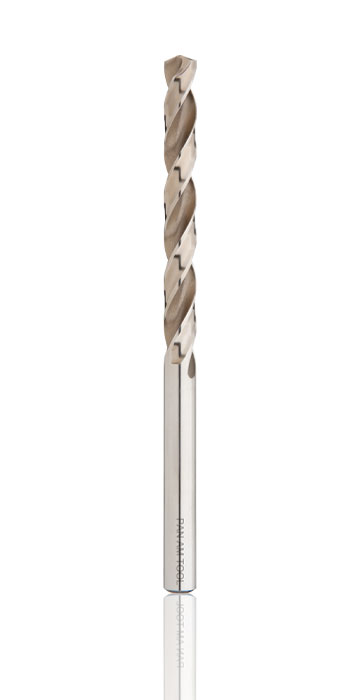
Double Margin Drills
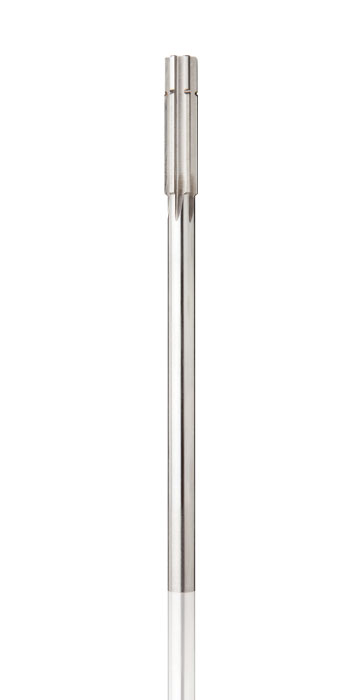
High Speed Steel & Carbide Reamers
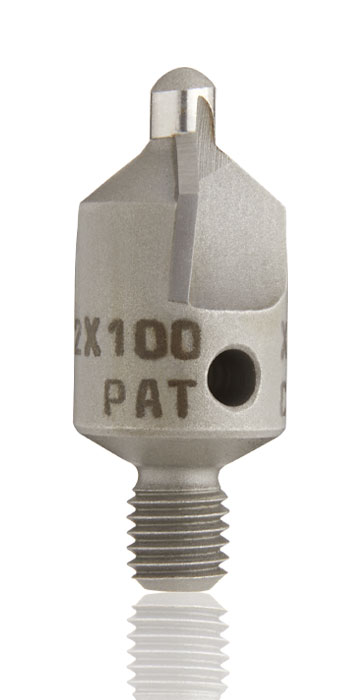
Countersinks, Cages & Paint Cutters
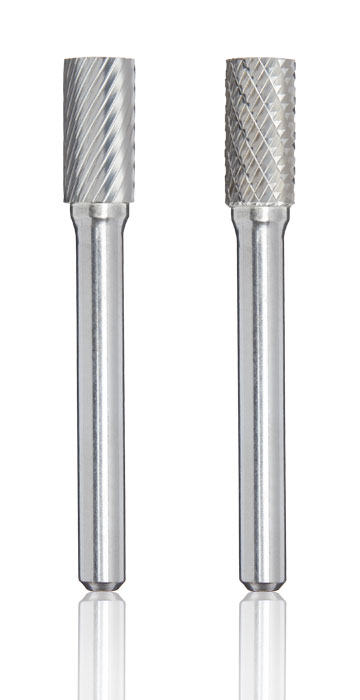
Carbide Burs & Deburring Tools
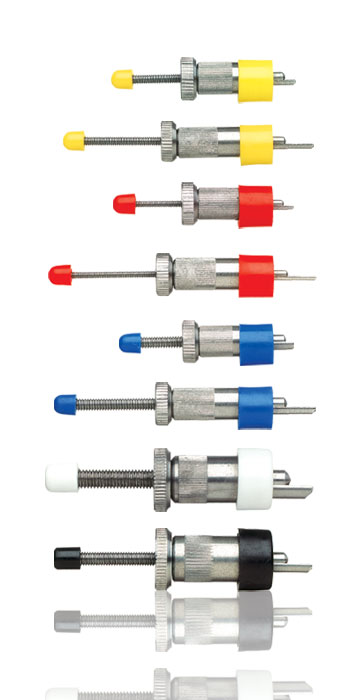
Cleco Fasteners & Installation Tools
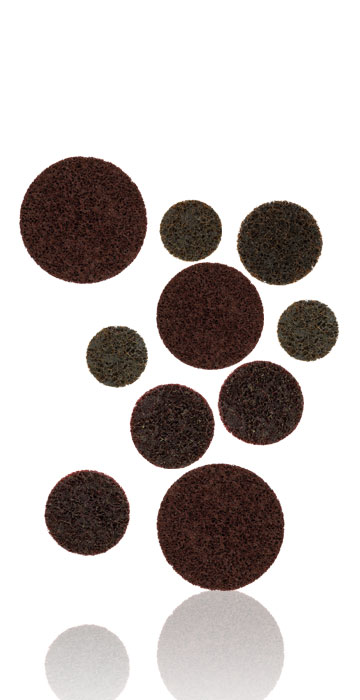
Surface Conditioning
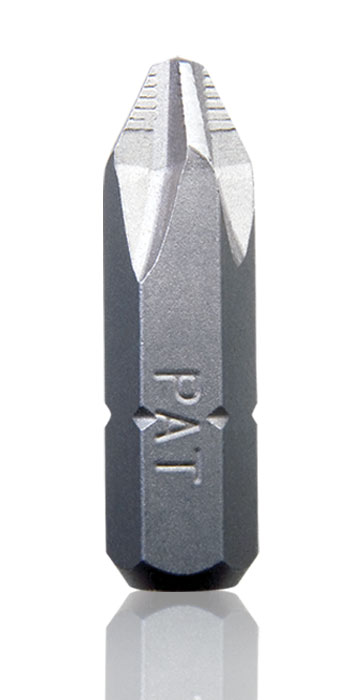
Insert Bits & Screwdriver Bits
Material-to-Tool Selection Guide
A starting point our application team uses when specifying tooling for aircraft structures. Always confirm parameters against your maintenance manual, process specification and machine rigidity.
| Workpiece Material | Recommended Tooling | Point / Geometry | Practical Notes |
|---|---|---|---|
| 2024 / 7075 Aluminium Skin | Cobalt jobber or double margin drills; HSS stop countersinks | 118°–135° split point | High rpm, steady feed, clear chips often to avoid built-up edge and hole ovality. |
| Titanium (Ti-6Al-4V) | M42 cobalt or solid carbide drills; carbide reamers | 135° split point, strong web | Low surface speed, firm constant pressure, coolant. Never dwell — the alloy work-hardens instantly. |
| Inconel® & Stainless | Cobalt HSS drills, cobalt taps, piloted reamers | 135° split point, heavy duty | Rigid setup and positive feed; peck only to clear chips, not to relieve pressure. |
| CFRP / GFRP Laminate | Carbide brad point drills, drill/reamers, taper routers | Brad point / dagger geometry | Support the exit side, keep edges sharp, replace before edge rounding causes delamination. |
| CFRP / Titanium Stacks | Carbide dagger drills, piloted solid carbide drills | Dagger point, polished flute | One-shot drilling with minimised heat transfer protects both the laminate and hole size. |
| Flush Rivet & Hi-Lok® Installations | Microstop cages with carbide-tipped stop countersinks; rivet shavers | 100° included angle (typical) | Set depth on a coupon of the same stack-up; re-verify after every cutter change. |
Frequently Asked Questions Regarding Solid Carbide Jobber Drills & Aerospace Tooling
Expert answers based on decades of hangar and machining center experience to guide your procurement decisions.
Why choose solid carbide jobber drills over high-speed steel or cobalt drills in aerospace applications?
What are the recommended speeds and feeds when utilizing solid carbide jobber drills on titanium and high-temperature superalloys?
How do solid carbide jobber drills perform on carbon-fibre-reinforced polymer (CFRP) composite stacks?
Are solid carbide jobber drills suitable for hand-held pneumatic drilling motors on the hangar floor?
Does Pan American Tool ship solid carbide jobber drills and aerospace tooling internationally?
Why Aerospace Buyers Standardise on Pan American Tool
Pan American Tool Corporation has manufactured and supplied aviation cutting tools from Fort Lauderdale, Florida since 1986. Three decades of order history across airlines, third-party MRO stations, OEM aerostructure plants, defence depots and flight schools shape which sizes we stock, how we grind our points and how quickly we can release an order.
- Specification driven. Tooling produced to recognised aerospace standards including NAS 965 Type D, NAS 907 Type J, NAS 937 and NAS 938 configurations.
- Depth of stock. Over 5,000 line items — wire, fractional, letter and metric — so a single hole size never grounds an aircraft.
- Application support. Talk to people who know the difference between a double margin drill and a piloted reamer before you commit a purchase order.
- Verified supplier. CAGE Code 0PFP1, worldwide export experience and documented packing for international freight.
- Own brand engineering. Nova® pneumatic tools are designed, assembled and supported by us — including spare heads, collets and service parts.
Who We Supply
Commercial airlines and regional carriers, independent MRO and line-maintenance stations, aerostructure and component manufacturers, military aviation depots, business-jet completion centres, helicopter operators and aerospace tool distributors.
Global Logistics
Orders ship worldwide from our Florida warehouse. Export documentation, consolidated shipments and distributor programmes are routine for us — see global service information.
Talk to a Specialist
Toll free 800-423-2764 · Florida 954-735-8665 · Fax 954-735-8668 · Monday to Friday, 08:00–17:00 EST. Contact details ›
Deep-Dive Guides for Aircraft Tooling Engineers
Reference articles covering specification detail, geometry choices and application limits for the tool families used most often in aircraft maintenance and aerostructure production.
New Tooling, Current Specials and Catalogue Updates
See the latest additions to the aerospace line — solid carbide jobber drills, chatterless countersinks, sealant cutters, end mills and Nova® grinders — alongside current clearance items.