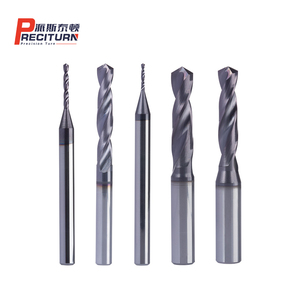
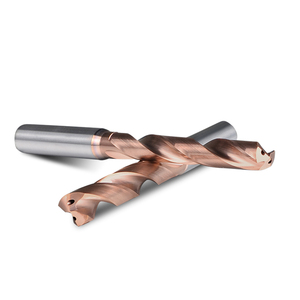
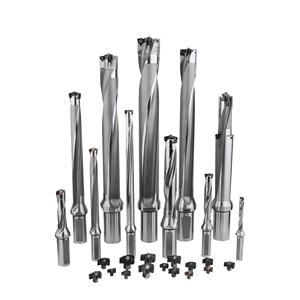
Engineered to aerospace-grade standards (NAS 965 / DIN 6537), our specialized cutting bits and tooling systems deliver flawless performance across metalworking, auto-assembly, and heavy machinery setups throughout India.
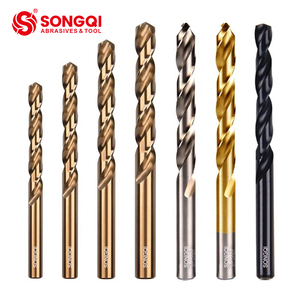
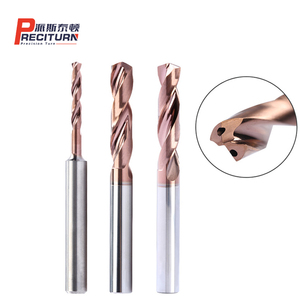
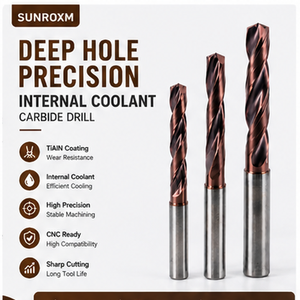
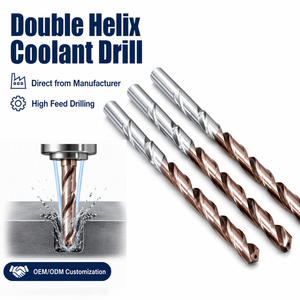
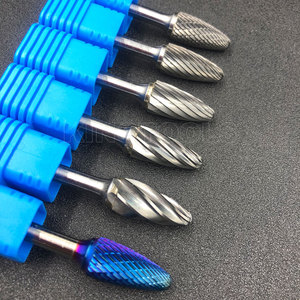
India’s rapid emergence as a global manufacturing giant under the "Make in India" initiative has escalated the demand for high-end abrasive discs, flap wheels, and cutting wheels. As manufacturing facilities upgrade to automated robotic cells and high-speed pneumatic angle grinders, industrial purchasing teams face critical challenges: grain shedding, premature disc thermal breakdown, inconsistent cut rates, and micro-cracking under heavy pressure.
Achieving superior information gain in abrasive disc selection requires understanding how mineral friability and resin matrices react to thermal spikes during high-RPM operations on Indian alloy grades (such as IS 2062 structural steel and AISI 304/316 stainless steels).
Unlike fused aluminum oxide which dulls down into flat surfaces, ceramic micro-fracturing technology continuously exposes fresh, razor-sharp cutting edges during grinding. This self-sharpening mechanism drastically reduces operator fatigue, lowers machine power draw, and avoids thermal discoloration (blueing) on heat-sensitive stainless steel welds.
Optimized for structural steel fabrication and heavy stock removal in shipyards, Zirconia Alumina grains offer self-sharpening properties under intense pressure. Combined with reinforced phenolic resin bonds (VFR/Resinoid), these discs resist bursting at peripheral speeds up to 80 m/s and tolerate rugged working angles (15° to 30°).
| Grain Type | Hardness (HV) | Friability / Fracture Behavior | Recommended Workpiece | Ideal Application |
|---|---|---|---|---|
| Ceramic Alumina (SG) | ~ 2100 HV | Micro-fracturing (Self-sharpening) | Inconel®, Titanium, Stainless 316L, Hardened Alloys | Automated deburring, high-pressure weld removal |
| Zirconia Alumina (ZA) | ~ 1900 HV | Macro-fracturing under high loads | IS 2062 Carbon Steel, Heavy Structural Plate | Beveling, heavy grinding, edge preparation |
| Silicon Carbide (SiC) | ~ 2600 HV | Extremely sharp, highly friable | Cast Iron, Non-Ferrous Metals, Marble, Composites | Foundry snagging, non-metallic trimming |
| Aluminum Oxide (AO) | ~ 1800 HV | Dulls progressively (Low friability) | Mild Steel, General Purpose Fabrication | Light deburring, maintenance repairs, hobbyist shop |
From the automobile manufacturing hubs in Tamil Nadu to the heavy shipbuilding yards along the eastern seaboard, specific manufacturing clusters in India demand tailored abrasive tool performance.
In high-throughput body-in-white (BIW) assembly lines, robotic arms demand fiber backing discs and flap discs with zero variation in thickness. High-speed blending of sheet metal welds requires iron-free ceramic discs that prevent cross-contamination and guarantee paint-ready surface finish ($Ra < 0.8 \mu m$).
Processing superalloys like Titanium 6Al-4V and Inconel 718 in defense machine shops calls for precision coolant-fed carbide tooling and top-size coated abrasive discs infused with cryolite grinding aids to eliminate heat generation and sub-surface metallurgical damage.
Shipyards and oil rig fabricators require thick 7-inch (180mm) grinding wheels and heavy-duty vulcanized fiber discs. These tools must maintain structural integrity when beveling 25mm+ thick steel plates under heavy humidity and high ambient thermal conditions.
Sanitary equipment fabricators building chemical reactors and food processing tanks rely on multi-stage polishing flap discs (Grit 40 to 320) to reach mirror finishes ($Ra < 0.2 \mu m$) without iron contamination, preventing pitting corrosion during operation.
The Bureau of Indian Standards (BIS) has introduced stricter quality control orders (QCO) for bonded and coated abrasives to eliminate cheap, non-reinforced counterfeit cut-off wheels. Factories exporting to India must provide EN12413 and ISO 603 compliance documentation to ensure zero disc-shattering accidents at high speeds.
Driven by rising electricity and labor costs across industrial hubs like Maharashtra and NCR, tier-1 suppliers are prioritizing high-productivity ceramic discs. Although the unit purchase cost is higher, the total cost per weld cut drops by over 35% due to longer tool life and faster cycle speeds.
A major friction point for Indian importers is resin degradation caused by high relative humidity (RH) during the monsoon season. Modern factory exporters now utilize desiccated foil vacuum seals and moisture-resistant backing paper (3-layer laminate) to guarantee a 24-month shelf life in coastal Indian warehouses.
Rooted in aerospace-grade precision manufacturing since 1986 (holding CAGE Code 0PFP1 credentials), our facility integrates high-precision CNC tooling, automated resin-bonding presses, and computerized dynamic balance testers.
Every batch of abrasive discs shipped to the Indian market undergoes rigorous quality verification, including maximum-burst-speed rotation tests exceeding EN12413 safety benchmarks by 150%, ensuring safety and reliability in high-duty industrial environments.
Whether you require bulk container orders, custom OEM flap disc production, or high-performance ceramic grains for demanding industrial contracts in India, our technical engineers are ready to assist.
Send an Inquiry