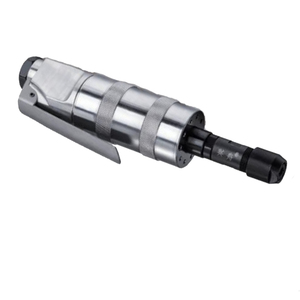
China Best Die Grinders Manufacturer & Factories

Industrial White Paper & Global Procurement Guide for High-Precision Pneumatic & Electric Rotary Tools

<0.015mm
Spindle Concentricity
70,000 RPM
Max Precision Velocity
ISO 9001
Quality Assurance Standard
85+
Global Export Markets

Featured Industrial Die Grinder Lineup

Engineered for aerospace, automotive mold finishing, tire repair, and heavy metal fabrication across international OEM/ODM channels.
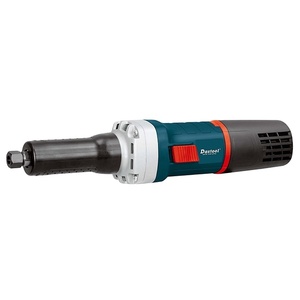
Dastool 750w Motor Grinder Professional 6/8mm Straight Long Shaft Rotary Die Grinder

Dastool 750W Motor Grinder Professional Straight Long Shaft Rotary Grinder

750W Motor6mm/8mm ColletExtended Reach
Contact Us
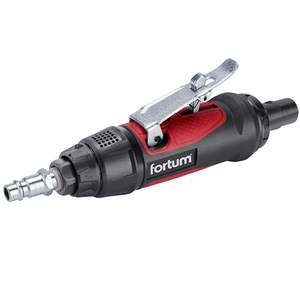
FORTUM 1/4 Mill Engraving Polishing Tools Industrial Pneumatic Air Die Grinder

FORTUM 1/4" Industrial Pneumatic Air Die Grinder with Variable Settings

1/4" ChuckIndustrial AirSpeed Governor
Contact Us
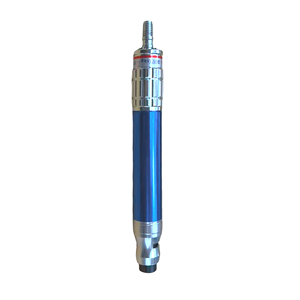
Versatile Pneumatic Die Grinder 70000 RPM Rear Exhaust 3MM Collet

Ultra-High Speed Micro Pneumatic Die Grinder (70,000 RPM, Rear Exhaust)

70,000 RPM3mm ColletRear Exhaust
Contact Us
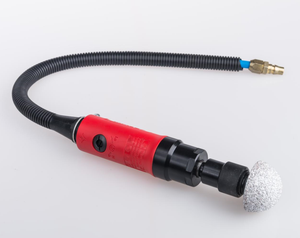
RK Brand Low Speed Air Tire Buffer Pneumatic Die Grinder With Hose

RK Industrial Low-Speed Pneumatic Tire Buffer & Heavy Duty Air Die Grinder

Low Speed High TorqueAir Hose KitTire Repair
Contact Us
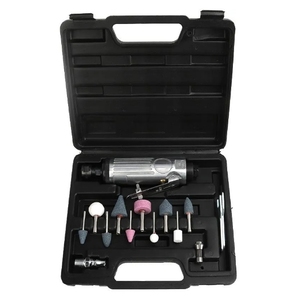
Pneumatic Tools Air Die Grinder Machine Aluminium Polishing Set

Precision Aluminum Body Air Die Grinder Tool Kit for Mold & Die Polishing

Ergonomic AlloyComplete KitMulti-Surface
Contact Us
Mini Micro Pneumatic Die Grinder Steel

Miniature Steel Micro-Pneumatic Pencil Die Grinder for Intricate Deburring

Steel BodyMicro Pencil TypeFine Engraving
Contact Us
S40 Industrial Pneumatic Die Grinder Full length 18.5cm

S40 Compact Industrial Pneumatic Die Grinder (0.65kg Lightweight Unit)

0.65kg Weight6mm Inner Dia18.5cm Length
Contact Us
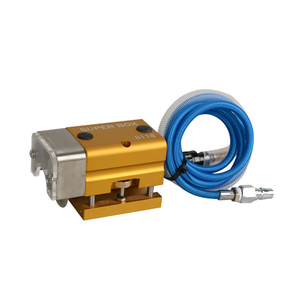
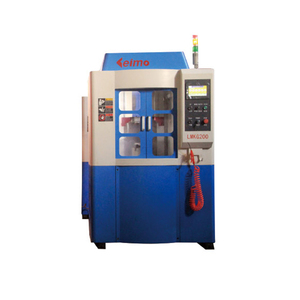
Auto Grinder Die Grinding Machine for Thick Turret

Automated Heavy-Duty Die Grinding Machine System for Thick Turret Tooling

Turret ToolingAutomated PrecisionHeavy Industrial
Contact Us

Comprehensive Engineering & Sourcing Report: China’s Die Grinder Manufacturing Ecosystem

In the modern manufacturing spectrum, die grinders serve as indispensable tools across aerospace maintenance, automotive tooling, foundry finishing, and precision mold restoration. As global supply chains pivot toward rigorous quality benchmarks, identifying the Best Die Grinders Manufacturer & Factories in China requires moving beyond unit pricing to evaluate deep engineering metrics: dynamic spindle balancing, runout tolerances, heat dissipation design, and metallurgical integrity of pneumatic rotors or electric armatures.

This technical white paper synthesizes thirty-plus years of industrial tool manufacturing expertise. It provides procurement officers, tooling engineers, and global distributors with an authoritative blueprint for evaluating Chinese manufacturing partners, assessing emerging technical trends, and calculating total cost of ownership (TCO) for enterprise tool fleets.

Precision Spindle Metallurgy

Utilizing vacuum-heat-treated 20CrMnTi alloy steel shafts, our spindles maintain runout levels below 0.015mm, eliminating burr chatter and extending carbide bur life by up to 300% under continuous loading.

Air Motor Dynamic Balancing

CNC-milled vanes made from self-lubricating synthetic polyimide materials, combined with ISO 1940 Grade G2.5 dynamically balanced rotors, deliver smooth performance up to 70,000 RPM without thermal drift.

Vibration Isolation Ergonomics

Incorporating dual-bearing front housings and shock-absorbing elastomer sleeves, our industrial die grinders comply with ISO 28927 hand-arm vibration safety compliance for multi-shift plant operation.

Enterprise Advantage: Why Global OEMs Select Chinese Precision Manufacturing

China's die grinder manufacturing corridor—primarily concentrated in industrial clusters across Zhejiang, Jiangsu, and Guangdong—has evolved from low-cost assembly lines into highly sophisticated, vertically integrated production centers. Top-tier manufacturers combine Swiss-type CNC automatic lathes, Japanese Toyoda grinding machines, and German Zeiss CMM inspection stations to deliver tolerances that match or exceed Western OEM equivalents at substantial cost savings.

  • End-to-End Vertical Integration: From raw alloy forging and die casting to precision grinding, heat treatment, motor winding, and automated torque testing, complete in-house production guarantees strict quality control and rapid prototyping capabilities.
  • Standardized Aerospace & Automotive Compliance: Advanced Chinese factories operate under strict ISO 9001 and IATF 16949 quality management systems, building die grinders capable of handling nickel-alloy deburring, carbon-fiber composite trimming, and titanium weld seam grinding.
  • OEM/ODM Customization Capabilities: Factory partners offer modular head options (straight long shaft, 45°, 90° angle drives), custom collet sizes (1/8", 1/4", 3mm, 6mm, 8mm), custom lever safety locks, and private-label branding with minimal lead times.

Technical Comparison Matrix: Pneumatic vs. Electric vs. High-Frequency Die Grinders

Choosing the correct drive mechanism depends heavily on duty cycle, shop air capacity, portable job-site demands, and substrate hardness. The evaluation table below illustrates baseline operating specs for procurement engineering decisions:

Tool Type / Class Typical RPM Range Collet Capacity Ideal Applications Key Maintenance Factors
Industrial Pneumatic (Straight) 18,000 – 25,000 RPM 1/4" (6.35mm) / 6mm Heavy weld removal, steel fabrication, casting cleaning Daily air line lubrication (3-5 drops ISO VG32), moisture filtration at 90 PSI
Micro Pencil Pneumatic 54,000 – 70,000 RPM 1/8" (3.175mm) / 3mm Micro-deburring, glass engraving, jewelry & die polishing Requires ultra-clean 80-90 PSI filtered air free of oil-water emulsification
AC High-Torque Electric (750W+) 10,000 – 30,000 RPM 6mm / 8mm / 1/4" Construction sites, remote maintenance, heavy internal pipe grinding Carbon brush wear inspection every 100 operating hours; dust filter clearing
Low-Speed Pneumatic Buffer 2,500 – 4,500 RPM Hex Quick Change / 7/16" Tire retreading, rubber buffing, plastic polishing without burning Grease lubrication of planetary reduction gearboxes every 50 hours
Turret Die Automated Grinder 3,000 – 12,000 RPM Automatic Tool Clamping CNC punch press die sharpening, thick turret regrinding Coolant concentration tracking and linear guide rail lubrication

Future Technology Trends in Die Grinder Manufacturing (2025–2030)

As smart factories transition toward Industry 4.0 automation, die grinder engineering is experiencing transformative shifts. Forward-thinking Chinese factories are leading these technological developments:

1. Advanced Brushless DC (BLDC) & Smart Speed Regulation

Cordless and corded electric die grinders are rapidly migrating to maintenance-free brushless motors governed by micro-controllers. These electronics maintain constant RPM under heavy load, preventing tool stalling and reducing operator strain. Built-in thermal overload sensors communicate status to central monitoring software in automated cell setups.

2. Acoustic Engineering & Low-Vibration Architecture

Industrial noise pollution and Hand-Arm Vibration Syndrome (HAVS) represent major compliance risks for plant managers. Next-generation air die grinders incorporate multi-stage expansion rear exhausts that lower noise output below 75 dBA while channeling exhausted oil mist away from delicate workpieces.

3. Robotic End-Effector Integration

Robotic deburring cells require die grinders built for compliance force-sensing arms. Chinese factories are now producing specialized cylindrical air and electric grinder bodies featuring standardized robot mounting flanges, high-duty bearings, and remote solenoid actuation signals.

Global Procurement Strategy: Evaluating Total Cost of Ownership (TCO)

When procuring industrial die grinders in bulk quantities, calculating true value requires evaluating factors beyond initial unit FOB price. A comprehensive TCO analysis must account for several structural cost factors:

  • Air Consumption vs. Compressor Load (CFM Efficiency): Inefficient pneumatic tools consume excessive compressed air (up to 18-22 CFM), increasing energy overhead. High-efficiency Chinese air motors achieve identical torque outputs at only 12-14 CFM at 90 PSI.
  • Collet Concentricity & Bur Consumption: A poorly machined collet with 0.05mm runout causes uneven tooth impact on tungsten carbide burs. This leads to premature bur chipping, reduced tool life, and rougher surface finishes requiring manual rework.
  • Spare Parts Availability & Interchangeability: Reliable manufacturers supply standardized replacement rotor blades, bearings, collet nuts, and bevel gears. Choosing factories with guaranteed spare-parts support ensures your fleet stays operational over long service cycles.

Frequently Asked Questions (FAQ) for Industrial Buyers

Technical guidance, sourcing standards, and operational advice curated by senior application engineers.

What quality certifications should I verify when importing die grinders from China?
Verify that the factory holds ISO 9001:2015 certification for quality management systems. For electric models, ensure CE, RoHS, and UL/ETL electrical safety compliance. For pneumatic models exported to Europe, compliance with the Machinery Directive 2006/42/EC and ISO 28927 (vibration measurement standard) is highly recommended.
What is the difference between a 1/4 inch and a 6mm collet in die grinders?
While 1/4 inch (6.35mm) and 6mm seem similar, they are not interchangeable. Inserting a 6.35mm shank bur into a 6mm collet will damage the collet walls, while inserting a 6mm shank into a 1/4" collet will result in insufficient clamping force, creating severe runout and shank slippage hazards. Professional manufacturers offer interchangeable metric and imperial collet options.
How does working air pressure impact pneumatic die grinder lifespan?
Pneumatic die grinders are engineered to operate at a standard dynamic air pressure of 90 PSI (6.2 bar). Running tools above 100 PSI over-speeds internal components, causing rapid bearing wear and rotor blade shattering. Operating below 75 PSI severely reduces torque, causing tool stall and motor glazing. Installing a Filter-Regulator-Lubricator (FRL) unit directly at each workstation is essential.
Can Chinese die grinder manufacturers provide custom OEM branding and color matching?
Yes. Leading manufacturers offer comprehensive OEM/ODM services, including custom housing color matching (Pantone/RAL), laser-etched company logos, custom-designed plastic carrying cases, customized user manuals, and tailored collet configurations with low Minimum Order Quantities (MOQs).
What causes excessive vibration in high-speed die grinders, and how is it prevented?
Excessive vibration stems from four main sources: bent accessory shanks, worn or damaged collets, debris inside the spindle cavity, or unbalancing of internal motor rotors. Premium manufacturers mitigate this through dynamic computer balancing during assembly, double-precision ball bearing support, and strict runout testing during QA.

Partner with China's Premier Die Grinder Manufacturer

Direct factory wholesale, OEM/ODM engineering customization, and worldwide fast shipping for industrial distributors and enterprise buyers.

Contact Us