
0%

I can write the introduction, but no source article or verifiable expert quotation was provided. To avoid inventing an expert or falsely attributing a quote, please share the expert’s name and the exact quotation you want included.
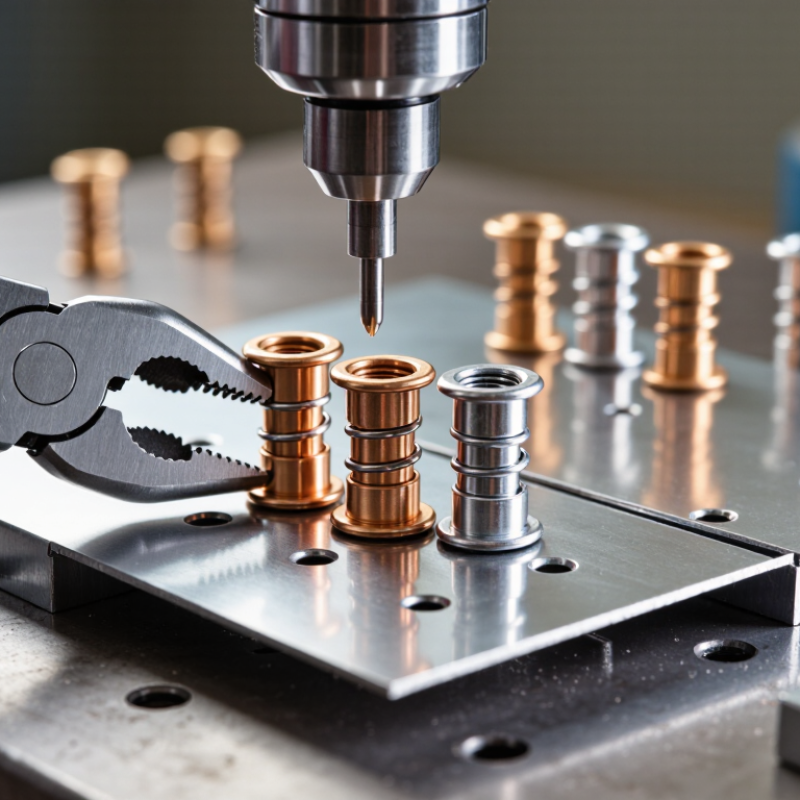
Why Are Cleco Sheet Metal Fasteners Used?

What Cleco Sheet Metal Fasteners Are

Cleco sheet metal fasteners are temporary, spring-loaded pins used to hold sheet metal parts together during assembly. Each fastener passes through aligned holes and grips the material from both sides. A dedicated pair of pliers compresses the pin for insertion or removal.

They help keep panels in position while holes are checked, additional holes are drilled, or permanent fasteners are installed. Their removable design lets a fabricator fit and inspect a panel before committing to a joint.

Clecos come in different sizes and grip ranges, so the fastener must suit the hole diameter and combined sheet thickness. They are not permanent structural fasteners. Treating them as load-bearing hardware would be a mistake.

Tips: Check that holes line up without forcing the panels. Use the correct Cleco size, and place fasteners evenly to reduce shifting. A loose fit can hide alignment problems, so inspect the joint before riveting. One detail is easy to overlook: temporary does not mean careless.

How Cleco Fasteners Temporarily Join Metal Panels

Cleco sheet metal fasteners temporarily hold two or more panels in alignment while a metal assembly is fitted and worked on. A spring-loaded fastener passes through matching holes and grips the material from both sides. With several fasteners spaced along a seam, panels are less likely to shift during drilling or riveting. The result is a more consistent fit, especially around curved edges or narrow flanges. They are fixtures, not permanent joints. No finished connection yet.

Tips: Check that the holes line up and remove sharp burrs before installation. Choose a fastener that matches the hole size and panel thickness. Place them at regular intervals, then check the seam by hand. Keep it square.

In practice, a fastener can hold one area firmly while a distant edge still moves. Add support where the panels flex, and avoid forcing a pin into a misaligned hole; that can mark the sheet or distort the opening. I have found that rushing the spacing check often means extra adjustments later. It is a small step, but worth reconsidering before the permanent fasteners go in.

Why Cleco Fasteners Are Used in Sheet Metal Work

In sheet metal work, Cleco fasteners temporarily hold overlapping panels in position before riveting, welding, or final bolting. Their spring-loaded bodies fit through drilled holes, keeping parts aligned while workers check edges, gaps, and hole patterns. This matters when a curved skin or thin bracket shifts under hand pressure. A few temporary fasteners can keep the assembly stable while the next holes are drilled.

They are useful for trial fitting, too. A worker can remove one fastener, adjust a panel, and secure it again without committing to a permanent joint. That makes alignment easier to inspect. Not magic. A clamp can hide a poor fit, and forcing a fastener into a misaligned hole may damage the sheet. Use the correct size, seat it fully, and check the joint before final fastening.

The U.S. Bureau of Labor Statistics’ Occupational Outlook Handbook reports 132,200 sheet metal worker jobs in 2023 and projects 6% growth from 2023 to 2033. That is workforce context, not a measured fastener benefit, but it shows why repeatable fit-up matters across the trade. A small step can still deserve a second look.

Where Cleco Fasteners Are Commonly Used

Where Cleco Fasteners Are Commonly Used

Cleco fasteners are commonly used when sheet-metal parts need to be held together temporarily before riveting or another permanent joining step. In aircraft maintenance and fabrication, they can keep overlapping skin panels aligned while a technician checks hole spacing and edge fit. They are also useful on small aluminum enclosures, vehicle body panels, and custom metal cabinets. A row of temporary fasteners helps reveal gaps that might otherwise be missed.

Workshops often use them during drilling, deburring, and trial assembly. For example, a fabricator can place a few fasteners along a panel seam, inspect the fit, then add more as needed. The parts stay registered. That makes it easier to check that holes remain aligned as the assembly is handled. Clecos may also hold thin panels on jigs or fixtures, though the setup should be stable and appropriate for the material.

They are temporary, not a substitute for the specified final fasteners or a sound joining process. The correct size and grip range depend on the hole and sheet thickness; a poor fit can distort thin metal or loosen during handling. I have seen a quick trial fit save rework, but it can create false confidence if the whole seam is not inspected. Check alignment, surface condition, and tool fit before continuing.

How to Select and Use Cleco Fasteners Properly

Why Are Cleco Sheet Metal Fasteners Used? How to Select and Use Cleco Fasteners Properly

Choose a Cleco by matching its pin diameter to the drilled hole and its grip range to the combined sheet thickness. A loose fit lets panels shift; an oversized pin can distort a hole. Check the fastener on a scrap piece first. It should clamp firmly without crushing the surface. Use enough fasteners to keep edges aligned, especially around curves, corners, and overlapping flanges. Too few can leave gaps. Too many slow removal and may crowd the work area.

Before drilling, confirm the panel layout and hole locations against the approved drawing. FAA Advisory Circular 43.13-1B gives common rivet-layout guidance of at least 2D edge distance and 3D spacing, where D is rivet diameter. This is a useful reference, not a Cleco spacing rule; the design drawing takes priority. Insert each fastener squarely with the proper pliers, then check that the sheets sit flush. Watch for burrs, swarf, and trapped chips. They can tilt a panel or mark its surface. Remove Clecos in a controlled sequence as permanent fasteners go in. I still recheck alignment after the first few holes; a neat-looking stack can hide a small mismatch.

Why Are Cleco Sheet Metal Fasteners Used?

Cleco fasteners temporarily hold sheet-metal layers together during drilling, fitting, and assembly. Choose a fastener that matches the hole diameter.

How to select: Match the fastener size to the drilled hole. The chart shows common fractional-inch sizes converted to millimeters (1 inch = 25.4 mm). Confirm the required hole size and grip range for your specific fastener before use.

FAQS

What are temporary sheet metal fasteners?

They are spring-loaded pins that hold aligned sheet metal parts together during assembly. They are removable, not permanent structural hardware.

How do these fasteners hold panels in place?

Each pin passes through aligned holes and grips both sides of the material. Pliers compress the pin for insertion or removal. Simple, but useful.

Why use them before riveting or welding?

They keep overlapping panels steady while workers inspect edges, gaps, and hole patterns. This helps reveal shifting before the permanent joint is made.

Where are temporary sheet metal fasteners commonly used?

They are used in aircraft fabrication and maintenance, vehicle panels, metal cabinets, and small enclosures. A row can make gaps easier to spot.

How do I choose the right fastener size?

Match its size to the hole diameter and the combined sheet thickness. A loose or poorly fitting pin can hide alignment problems.

Can these fasteners be used as permanent hardware?

No. They are meant for temporary positioning, not as load-bearing parts or substitutes for specified final fasteners. Not a final joint.

What should I check before installing them?

Make sure the holes line up without force, then seat each pin fully. Distribute fasteners evenly and inspect the panel edges.

Can temporary fasteners guarantee a good fit?

No. They can hold a poor fit in place and create false confidence. Check the whole seam; a quick trial fit can still miss something.

Conclusion

Cleco Sheet Metal Fasteners are reusable temporary fasteners that hold metal panels together during layout, fitting, and assembly. Designed to pass through aligned holes, they keep parts in position while allowing workers to check fit, adjust edges, and complete other joining steps. Their quick installation and removal make them useful when panels need to be separated and repositioned during a project.

Commonly used in fabrication, repair, and sheet metal assembly, Cleco fasteners can help maintain alignment across multiple holes and reduce shifting while work is underway. Choosing the right size and grip range for the material thickness is important for a secure temporary hold. To use them properly, align the holes, install the fasteners evenly where needed, and confirm the panels sit flush before continuing. Remove the fasteners carefully once the temporary setup is no longer required.

Julian

Julian

Julian is a professional marketing specialist with a deep understanding of the company’s products, services, and customer-focused solutions. With a strong background in market research, content strategy, and digital communication, he transforms complex product information into clear, practical, and......